
World Wide Whimsy
The surge of whimsical websites as an antidote to AI slop

Originally published by Mint on May 27, 2026 - Page 14. Here’s the link to read.
Tired of the all-powerful social media algorithms and the endless supply of AI slop, many are turning to whimsical and interesting websites to rediscover the joys and freedoms of the old internet
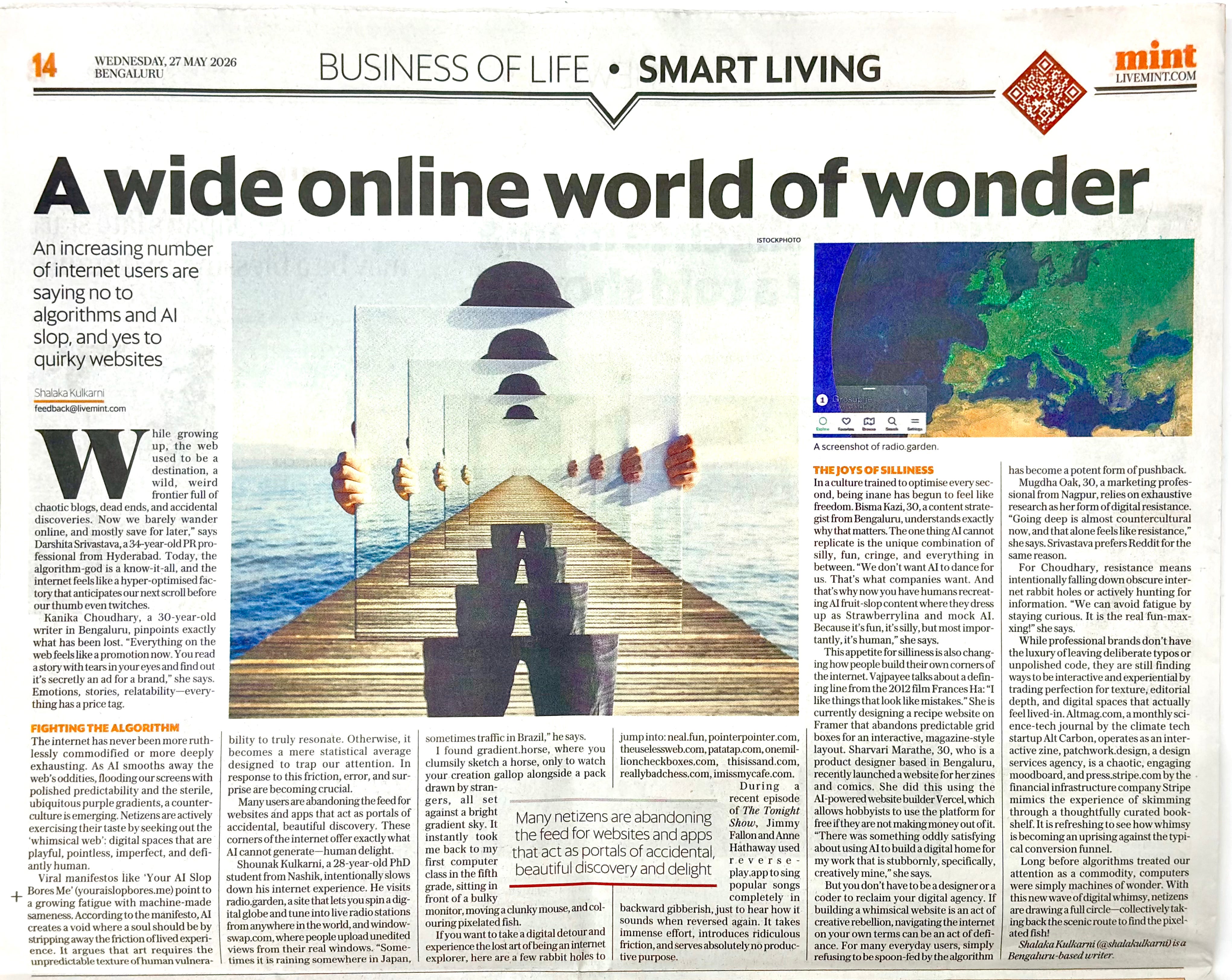
“While growing up, the web used to be a destination, a wild, weird frontier full of chaotic blogs, dead ends, and accidental discoveries. Now we barely wander online, and mostly save for later,” says Darshita Srivastava, a 34-year-old PR professional from Hyderabad. Today, the algorithm-gods are know-it-alls, and the internet feels like a hyper-optimised factory that anticipates our next scroll before our thumb even twitches.
Kanika Choudhary, a 30-year-old writer in Bengaluru, pinpoints exactly what has been lost. “Everything on the web feels like a promotion now. You read a story with tears in your eyes and find out it’s secretly an ad for a brand,” she says. Emotions, stories, relatability—everything has a price tag.
The internet has never been more ruthlessly commodified or more deeply exhausting. As AI smooths away the web’s oddities, flooding our screens with polished predictability and the sterile, ubiquitous purple gradients, a counterculture is emerging. Netizens are actively exercising their taste by seeking out the ‘whimsical web’: digital spaces that are playful, pointless, imperfect, and defiantly human.
Viral manifestos like ‘Your AI Slop Bores Me’ (youraislopbores.me) point to a growing fatigue with machine-made sameness. According to the manifesto, AI creates a void where a soul should be by stripping away the friction of lived experience. It argues that art requires the unpredictable texture of human vulnerability to truly resonate. Otherwise, it becomes a mere statistical average designed to trap our attention. In response to this friction, error, and surprise are becoming crucial. Many users are abandoning the feed for websites and apps that act as portals of accidental, beautiful discovery. These corners of the internet offer exactly what AI cannot generate—the smudged, unpredictable fingerprint of actual human delight.
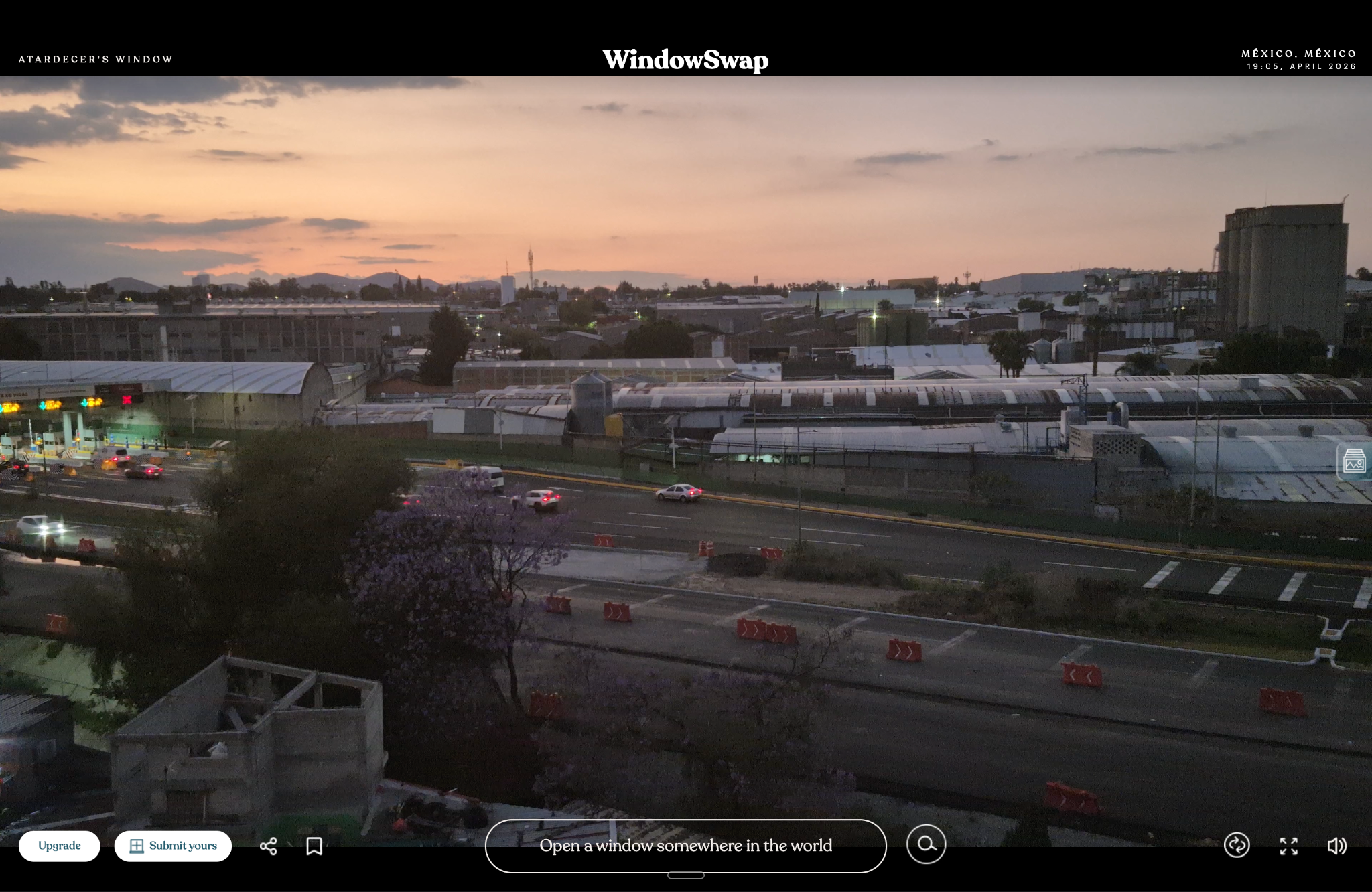
Shounak Kulkarni, a 28-year-old PhD student from Nashik, intentionally slows down his internet experience. He visits radio.garden, a site that lets you spin a digital globe and tune into live radio stations from anywhere in the world, and window-swap.com, where people upload unedited views from their real windows. “Sometimes it is raining somewhere in Japan, sometimes traffic in Brazil,” he says.
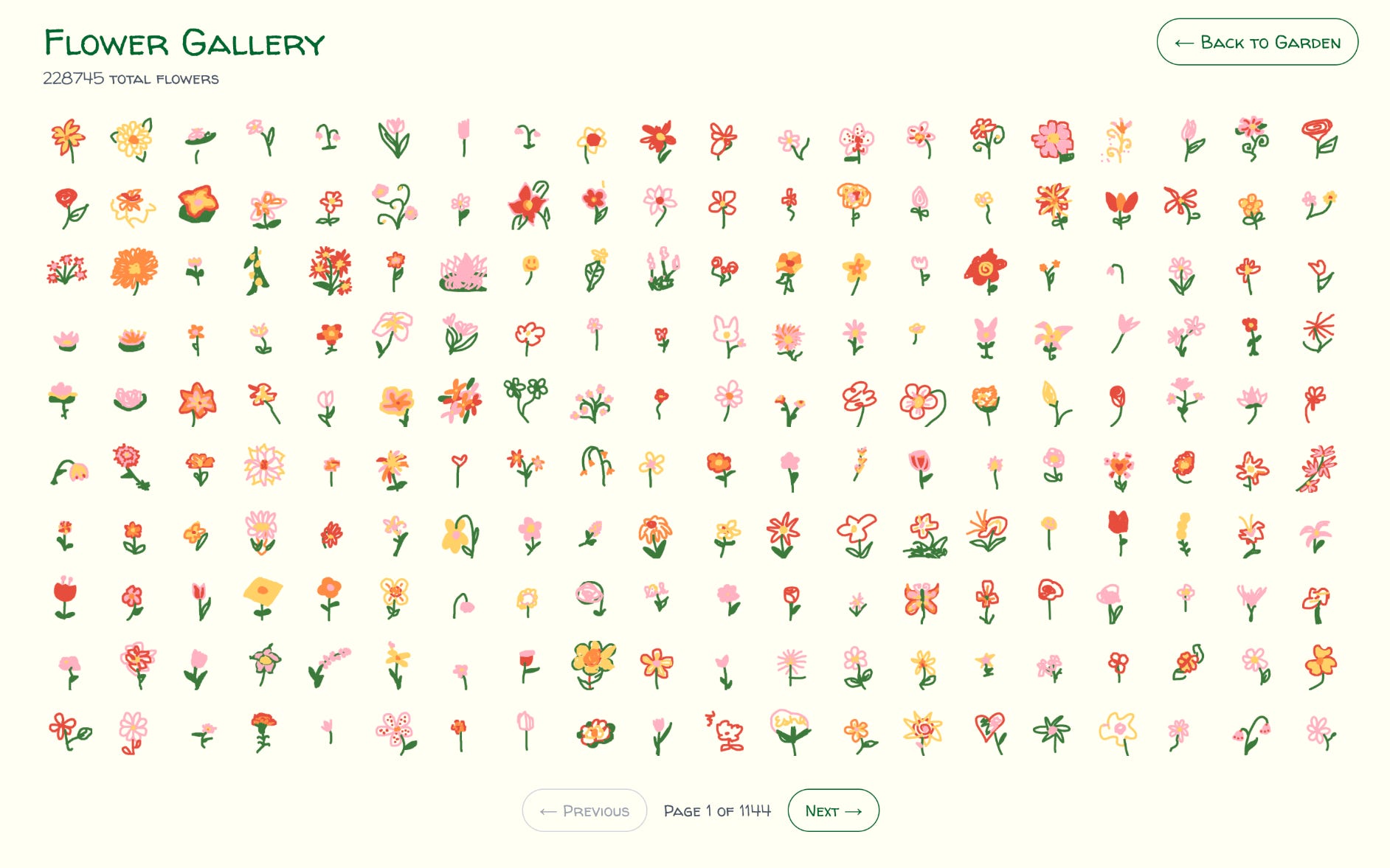
Beyond solitary wandering, some whimsical spaces lean into gentle, collective action. Diwyani Vajpayee, 28, a visual designer in Delhi, recalls an interactive website she found via Instagram, called annasgarden.vercel.app, where visitors could digitally draw a flower and plant it in a shared garden. “Over 230,000 flowers are planted there,” she notes. Choudhary visits asoftmurmur.com, a simple website offering customizable ambient sounds like rain and thunder or plays City Guesser to spend hours identifying random monuments across the world.
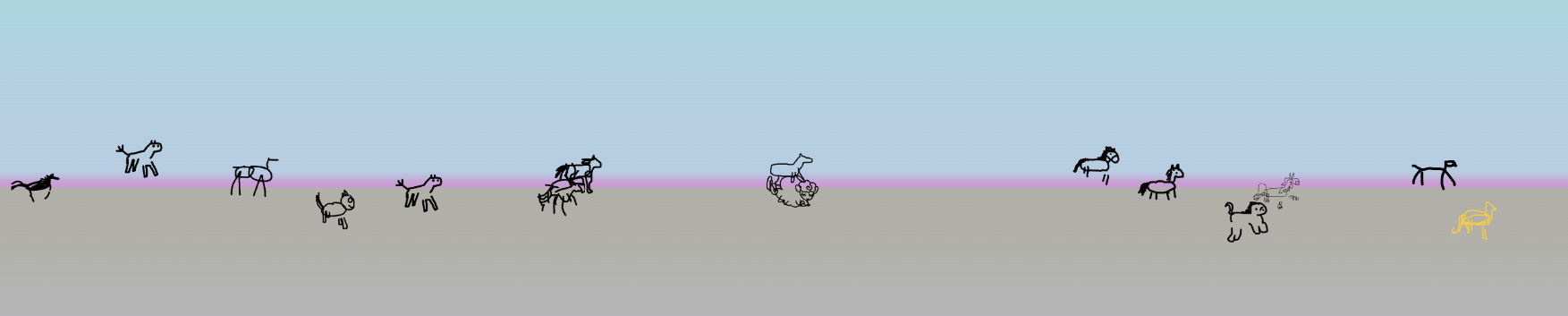
I found gradient.horse, where you clumsily sketch a horse, only to watch your creation gallop alongside a pack drawn by strangers, all set against a bright gradient sky. It instantly took me back to my first computer class in the fifth grade, sitting in front of a bulky monitor, moving a clunky mouse, and colouring pixelated fish.
If you want to take a digital detour and experience the lost art of being an internet explorer, here are a few rabbit holes to jump into: neal.fun, pointerpointer.com, theuselessweb.com, patatap.com, onemillioncheckboxes.com, thisissand.com, reallybadchess.com, imissmycafe.com.
During a recent episode of The Tonight Show, Jimmy Fallon and Anne Hathaway used reverseplay.app to sing popular songs completely in backward gibberish, just to hear how it sounds when reversed again. It takes immense effort, introduces ridiculous friction, and serves absolutely no productive purpose. It is done purely for the joy of being goofy!
In a culture trained to optimise every second, being inane has begun to feel like freedom. Bisma Kazi, 30, a content strategist from Bengaluru, understands exactly why that matters. The one thing AI cannot replicate is the unique combination of silly, fun, cringe, and everything in between. “We don’t want AI to dance for us. That’s what companies want. And that’s why now you have humans recreating AI fruit-slop content where they dress up as Strawberrylina and mock AI. Because it’s fun, it’s silly, but most importantly, it’s human,” she says.
This appetite for silliness is also changing how people build their own corners of the internet. Vajpayee talks about a defining line from the 2012 film Frances Ha: “I like things that look like mistakes.” She is currently designing a recipe website on Framer that abandons predictable grid boxes for an interactive, magazine-style layout. Sharvari Marathe, 30, who is a product designer based in Bengaluru, recently launched a website for her zines and comics. She did this using the AI-powered website builder Vercel, which allows hobbyists to use the platform for free if they are not making money out of it. “There was something oddly satisfying about using AI to build a digital home for my work that is stubbornly, specifically, creatively mine,” she says.
But you don’t have to be a designer or a coder to reclaim your digital agency. If building a whimsical website is an act of creative rebellion, navigating the internet on your own terms can be an act of defiance. For many everyday users, simply refusing to be spoon-fed by the algorithm has become a potent form of pushback.
Mugdha Oak, 30, a marketing professional from Nagpur, relies on exhaustive research as her form of digital resistance. “Going deep is almost countercultural now, and that alone feels like resistance,” she says. Srivastava prefers Reddit for the same reason. “The conversations there are unpredictable and stories of lived experience, unlike heavily optimised and performative content on most of the social media platforms,” she says.
For Choudhary, resistance looks like curiosity. It means intentionally falling down obscure internet rabbit holes or actively hunting for information. “We can avoid fatigue by staying curious. It is the real fun-maxxing!” she says. You will find the same spirit behind a new YouTube channel aptly named Anti Brain Rot. Its creators are the trivia and quizzing company, Arey Pata Hai.
While professional brands don’t have the luxury of leaving deliberate typos or unpolished code, they are still finding ways to be interactive and experiential by trading perfection for texture, editorial depth, and digital spaces that actually feel lived-in.Altmag.com, a monthly science-tech journal by the climate tech startup Alt Carbon, operates as an interactive zine,patchwork.design, a design services agency, is a chaotic, engaging moodboard, andpress.stripe.com by the financial infrastructure company Stripe mimics the experience of skimming through a thoughtfully curated bookshelf. It is refreshing to see how whimsy is becoming an uprising against the typical conversion funnel.
Long before algorithms treated our attention as a commodity, computers were simply machines of wonder. With this new wave of digital whimsy, netizens are drawing a full circle—collectively taking back the scenic route to find the pixelated fish!
Shalaka Kulkarni (@shalakulkarni) is a Bengaluru-based author who writes at the intersection of culture and technology.